
How to Stop Wage Garnishment in Connecticut (2026 Legal Guide)

What Is Wage Garnishment?
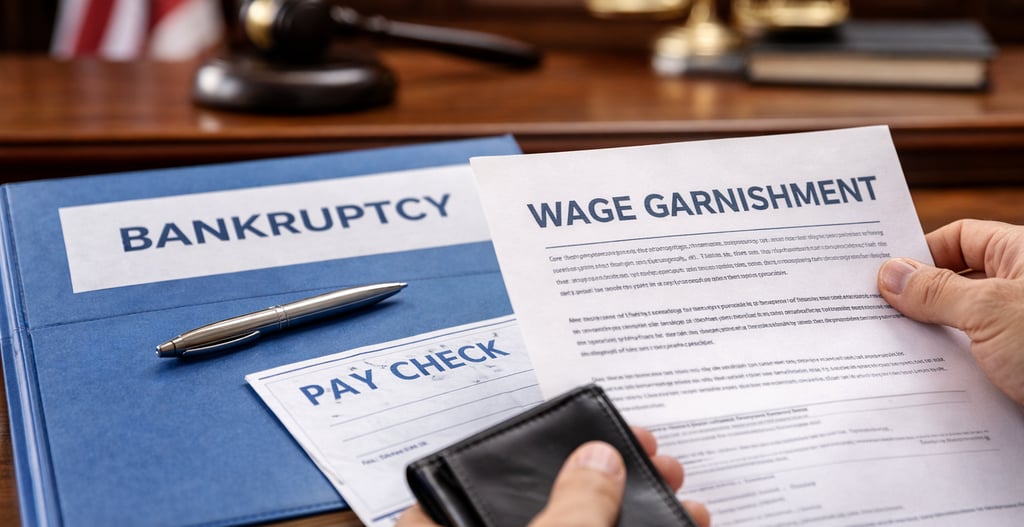
Wage garnishment occurs when a court orders your employer to withhold a portion of your paycheck to pay a creditor.
In Connecticut, garnishment typically happens after:
A creditor sues you
A court judgment is entered
A wage execution order is issued
Your employer is then legally required to deduct money from your wages.
How Much Can Be Garnished in Connecticut?
Under federal and Connecticut law, creditors generally can garnish:
Up to 25% of your disposable earnings
ORThe amount by which your weekly income exceeds 40 times the federal minimum wage
Certain types of debt (like child support or taxes) may follow different rules.
How Can You Stop Wage Garnishment?
Several legal options may be available:
1. Filing for Bankruptcy
One of the most effective ways to stop wage garnishment is filing for bankruptcy.
When you file:
An automatic stay immediately goes into effect.
Creditors must stop garnishment.
Collection actions must pause.
In many cases, garnishment stops as soon as the bankruptcy petition is filed.
2. Claiming Exemptions
Connecticut law provides certain exemptions that may protect part of your income.
You may be able to file a claim of exemption if:
The garnishment creates financial hardship.
Your income falls below certain limits.
3. Negotiating With Creditors
In some situations, creditors may agree to:
Settle the debt
Reduce the payment amount
Enter into a payment arrangement
However, this does not automatically stop garnishment unless a formal agreement is reached.
Chapter 7 vs. Chapter 13 for Garnishment
Chapter 7
May eliminate unsecured debts.
Stops garnishment quickly.
Suitable if you qualify under income guidelines.
Chapter 13
Allows structured repayment.
May help if you are behind on secured debts.
Can protect assets while stopping garnishment.
An experienced bankruptcy lawyer in Connecticut can evaluate which option fits your situation.
What If Your Bank Account Is Frozen?
Creditors may also seek a bank levy.
Filing bankruptcy may stop bank account seizures and prevent further collection actions.
Immediate legal advice is critical in these situations.
How Quickly Can Garnishment Be Stopped?
In many cases, garnishment stops immediately upon filing bankruptcy due to the automatic stay.
Timing is essential. Delaying action can result in continued paycheck deductions.
Why Work With a Bankruptcy Attorney in Connecticut?
Stopping wage garnishment requires careful legal filing and proper documentation.
At Noyes & Asociados, we:
Review your financial situation confidentially.
Explain all available legal options.
File bankruptcy petitions promptly when appropriate.
Help protect your income and assets.
We assist individuals and families throughout Connecticut regain financial stability.
Frequently Asked Question
Can I recover wages already garnished?
In some cases, recent garnished wages may be recoverable.
Will my employer know I filed bankruptcy?
Your employer will be notified if garnishment must stop, but bankruptcy filings are common and protected by law.
Can I be fired for wage garnishment?
Federal law prohibits termination due to a single garnishment for consumer debt.
Final Thoughts
If your wages are being garnished in Connecticut, you are not without options.
Taking prompt legal action can help protect your paycheck and restore financial stability.
📍 Contact Noyes & Asociados – Stop Wage Garnishment in Connecticut
If you are facing wage garnishment, schedule a confidential consultation today.
We are committed to helping Connecticut residents protect their income and move forward.